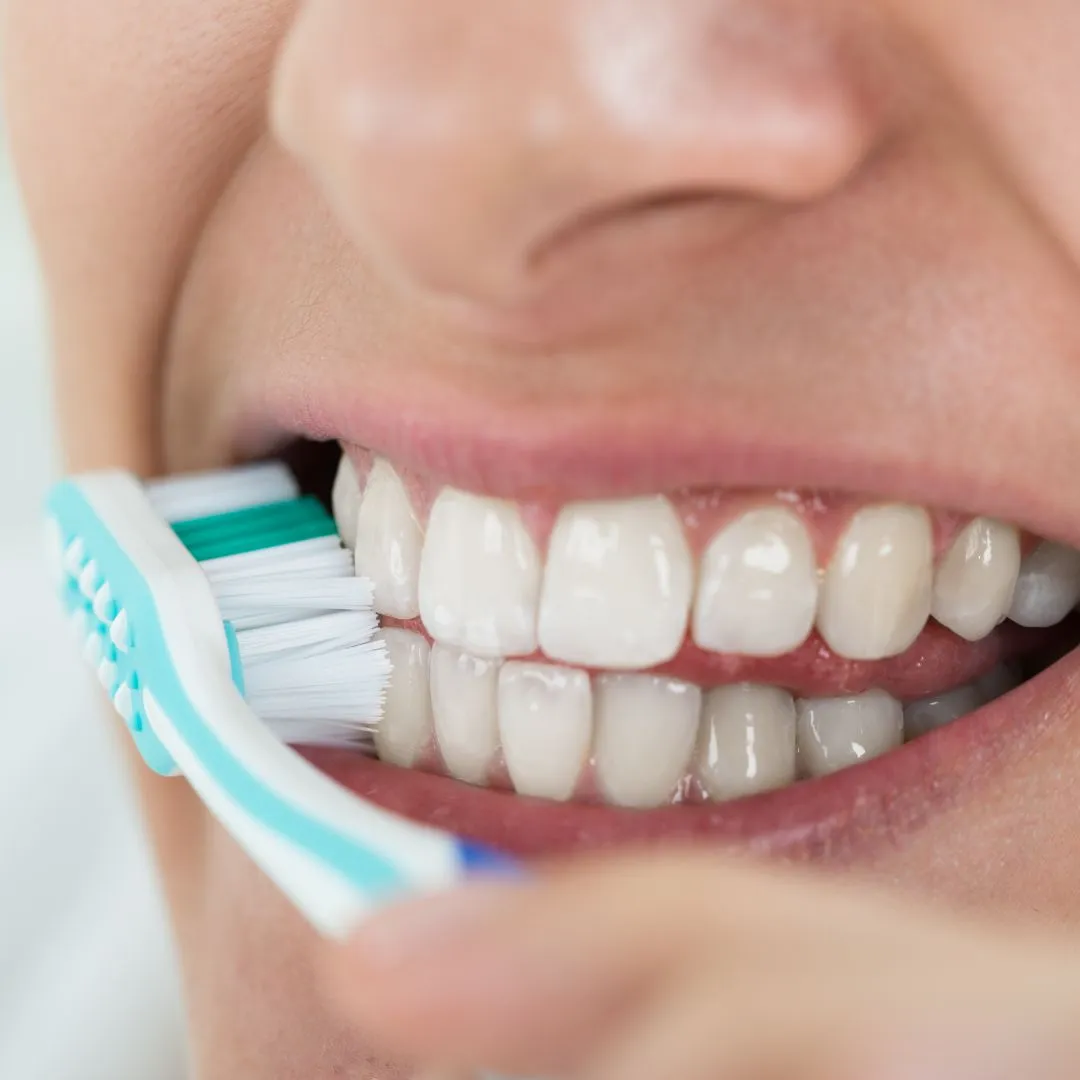
Maintaining oral hygiene at home is one of the best ways to promote good oral health. Professional dental cleaning is essential for preventing cavities, gum disease, bad breath, and staining. Learning how to clean your teeth at home like a dentist can help prevent cavities, gum disease, bad breath, and staining. With the right brushing techniques, flossing habits, and oral care products, you can maintain a healthier smile between dental visits.
Most people brush their teeth daily, but may not be brushing in the correct areas or correctly. This can cause plaque to form, gum irritation, and other dental issues over time. It's important to understand how a dentist in Queens suggests cleaning your teeth so you can improve your oral hygiene habits and maintain a long-lasting smile.
A quality toothbrush is the key to having a good brushing routine. The best toothbrushes are soft brushes, as they effectively clean teeth without harming the enamel.
You can use both:
Electric toothbrushes can be beneficial, as they are more effective at removing plaque and easier for those who are in a hurry.
Regardless of type, change the brush every 3 months or sooner if the bristles are damaged.
While many people brush for less than 1 minute, dentists suggest brushing for at least 2 minutes, 2 times a day.
To brush properly:
You should not brush too harshly, as this will harm the enamel and irritate the gums. Aggressive brushing is less effective than gentle, consistent brushing.
One easy guideline is to break your mouth into four quadrants and spend about 30 seconds on each.
Fluoride makes teeth more resistant to decay and more effective at protecting tooth enamel. Most dentists recommend using a fluoride toothpaste because it helps promote a healthier oral environment.
When you're selecting toothpaste, consider those that are formulated for:
It's not necessary to apply much toothpaste. Don’t try to rinse your mouth right after brushing your teeth. Leaving a small quantity of fluoride can be beneficial for teeth protection.
Along with a quality toothbrush and fluoride toothpaste, some people also use a Dental Cleaning Kit to improve their oral hygiene routine. A basic at-home dental cleaning kit may include tools such as dental mirrors, plaque removers, tongue cleaners, and floss picks.
These tools can help remove food particles and buildup from hard-to-reach areas. However, they should be used carefully to avoid damaging the gums or enamel. Dentists recommend using these tools gently and not as a replacement for professional dental care
You can't reach the spaces between your teeth with a toothbrush. That is why flossing is an essential part of dental care.
Flossing is an important part of deep dental cleaning at home because it removes plaque and food particles from areas your toothbrush cannot reach.
If you don't floss, plaque can build up in hard-to-reach places, leading to cavities or gum disease.
Bacteria can live on your tongue, which can cause bad breath and help to contribute to plaque. Dentists recommend cleaning the tongue daily, but many people forget to do so.
You can use:
Begin from the end of the tongue and slowly slide forward. This is a very simple habit that leaves your mouth feeling clean and fresh.
Mouthwash can also support your at-home dental cleaning routine by reducing bacteria and helping freshen breath after brushing and flossing. You can use an antibacterial or fluoride mouthwash, which can help in:
Some mouthwashes contain alcohol that can cause a dry mouth in some people. If you have sensitive teeth or dry mouth, ask your dentist which one it is that would work best for you.
What you eat can affect your teeth. Starchy foods and beverages promote bacteria in the mouth that lead to cavities.
Try to limit:
However, take foods that will help keep your mouth healthy:
Drinking water throughout the day helps wash away food particles and reduce plaque buildup.
Even with a strong home dental cleaning routine, regular dental visits are still necessary. Some tartar and plaque buildup cannot be removed safely without professional tools. Dentists can also identify oral health problems early, before they become more serious.
Common mistakes include:
For example, just after consuming soda, orange, or lemon juice, the teeth become temporarily soft, which can damage their enamel. It is best to wait approximately 30 minutes before brushing.
When to Visit a Dentist
Even if you are taking great care of your teeth at home, it's still important to visit your dentist for professional care. Tartar that cannot be removed at home can be removed by your dentist, and problems can be detected at an early stage before they worsen.
Regular dental checkups and cleaning should be made if you experience:
Home care works best when combined with regular dental visits.
Building strong oral hygiene habits is the key to maintaining healthy teeth and gums. Proper brushing, flossing, tongue cleaning, healthy eating, and safe use of a Dental Cleaning Kit can all improve your daily routine. While professional dental cleaning methods may help keep your mouth cleaner between visits, they should never fully replace regular dental checkups and cleanings. Consistent at home dental cleaning habits can help protect your smile for years to come.
YOUR FIRST STEP TOWARDS A BEAUTIFUL SMILE IS JUST A PHONE CALL AWAY!